
- Where Is The Atomic Number Located
- Atomic Number 17
- Atomic Number 17 Indicates The Atom Has
- Atomic Number 17 Symbol
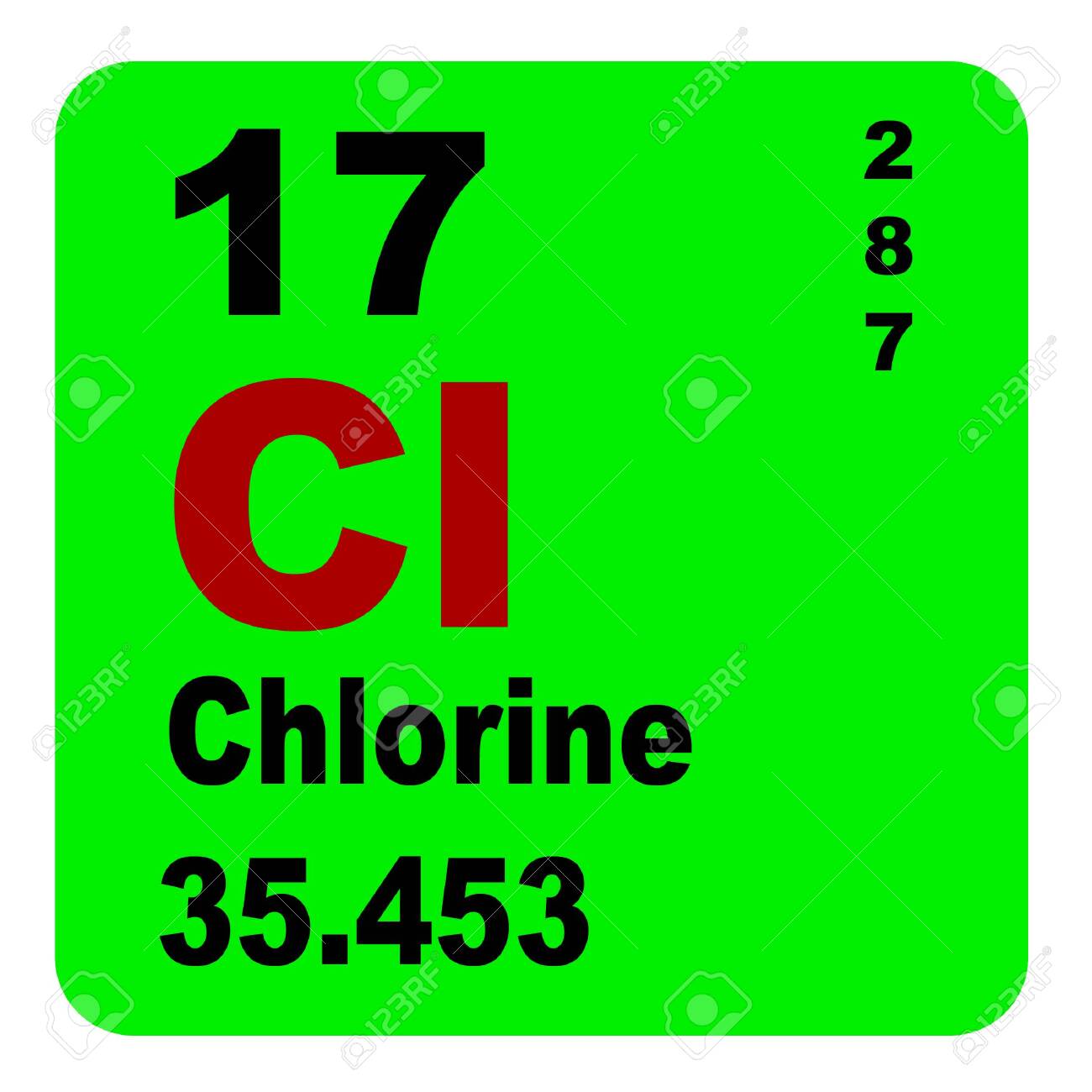
If the atomic number is 17, there must be 17 protons and 17 electrons. Starting from the lowest level, we add electrons to each higher level until we have reached 17 electrons. The electron configuration becomes #'1s'^2 '2s'^2 '2p'^6 '3s'^2 '3p'^5#. This is the ATOMIC NUMBER. (The bottom number of each element on the periodic table). So your atom has 17 electrons and the mass number is 35. The number of protons is 17, (since it's the same number as electron number). The number of neutrons is 35-17 = 18. The atomic number is 17. The element you have is CHLORINE. Hope I helped:D. Often, the resulting number contains a decimal. For example, the atomic mass of chlorine (Cl) is 35.45 amu because chlorine is composed of several isotopes, some (the majority) with an atomic mass of 35 amu (17 protons and 18 neutrons) and some with an atomic mass of 37 amu (17 protons and 20 neutrons). Given an atomic number (Z) and mass.
Learning Objective
- Determine the relationship between the mass number of an atom, its atomic number, its atomic mass, and its number of subatomic particles
Key Points
- Neutral atoms of each element contain an equal number of protons and electrons.
- The number of protons determines an element’s atomic number and is used to distinguish one element from another.
- The number of neutrons is variable, resulting in isotopes, which are different forms of the same atom that vary only in the number of neutrons they possess.
- Together, the number of protons and the number of neutrons determine an element’s mass number.
- Since an element’s isotopes have slightly different mass numbers, the atomic mass is calculated by obtaining the mean of the mass numbers for its isotopes.
Terms
- atomic massThe average mass of an atom, taking into account all its naturally occurring isotopes.
- mass numberThe sum of the number of protons and the number of neutrons in an atom.
- atomic numberThe number of protons in an atom.
Atomic Number
Neutral atoms of an element contain an equal number of protons and electrons. The number of protons determines an element’s atomic number (Z) and distinguishes one element from another. For example, carbon’s atomic number (Z) is 6 because it has 6 protons. The number of neutrons can vary to produce isotopes, which are atoms of the same element that have different numbers of neutrons. The number of electrons can also be different in atoms of the same element, thus producing ions (charged atoms). For instance, iron, Fe, can exist in its neutral state, or in the +2 and +3 ionic states.
Where Is The Atomic Number Located
Mass Number
An element’s mass number (A) is the sum of the number of protons and the number of neutrons. The small contribution of mass from electrons is disregarded in calculating the mass number. This approximation of mass can be used to easily calculate how many neutrons an element has by simply subtracting the number of protons from the mass number. Protons and neutrons both weigh about one atomic mass unit or amu. Isotopes of the same element will have the same atomic number but different mass numbers.
Scientists determine the atomic mass by calculating the mean of the mass numbers for its naturally-occurring isotopes. Often, the resulting number contains a decimal. For example, the atomic mass of chlorine (Cl) is 35.45 amu because chlorine is composed of several isotopes, some (the majority) with an atomic mass of 35 amu (17 protons and 18 neutrons) and some with an atomic mass of 37 amu (17 protons and 20 neutrons).
Given an atomic number (Z) and mass number (A), you can find the number of protons, neutrons, and electrons in a neutral atom. For example, a lithium atom (Z=3, A=7 amu) contains three protons (found from Z), three electrons (as the number of protons is equal to the number of electrons in an atom), and four neutrons (7 – 3 = 4).
Show Sources
Boundless vets and curates high-quality, openly licensed content from around the Internet. Quarkxpress 7 free download for mac. This particular resource used the following sources:

http://www.boundless.com/
Boundless Learning
Five nights at freddys download mac. CC BY-SA 3.0.
http://en.wiktionary.org/wiki/atomic_number
Wiktionary
CC BY-SA 3.0.
http://www.boundless.com//biology/definition/atomic-mass–2
Boundless Learning
CC BY-SA 3.0.
Atomic Number 17
Atomic Number 17 Indicates The Atom Has
http://en.wikibooks.org/wiki/A-level_Chemistry/OCR/Atoms,_Bonds_and_Groups/Atoms_and_Reactions/Atoms
Wikibooks
CC BY-SA 3.0.
Atomic Number 17 Symbol
http://cnx.org/content/m44390/latest/?collection=col11448/latest
OpenStax CNX
CC BY 3.0.